Flu, COVID-19, RSV, common colds, and other respiratory illnesses can produce overlapping symptoms. A cough or fever may be mild and short-lived, or it may be the first sign that someone needs medical evaluation. The useful question is not only what symptoms you have, but how severe they are, how they are changing, and whether you have factors that increase your risk of complications.
“Many respiratory illnesses can start with the same familiar symptoms, so what matters is also how you are doing over time,” said Amy Pennington, FNP-C, a family nurse practioner at Haskell Rural Health Clinic. “
If you are getting worse, not improving as expected, or having trouble managing an existing condition while you are sick, Pennington said patients should contact the clinic.
“You do not have to wait until an illness becomes severe to ask what the next step should be,” Pennington said.
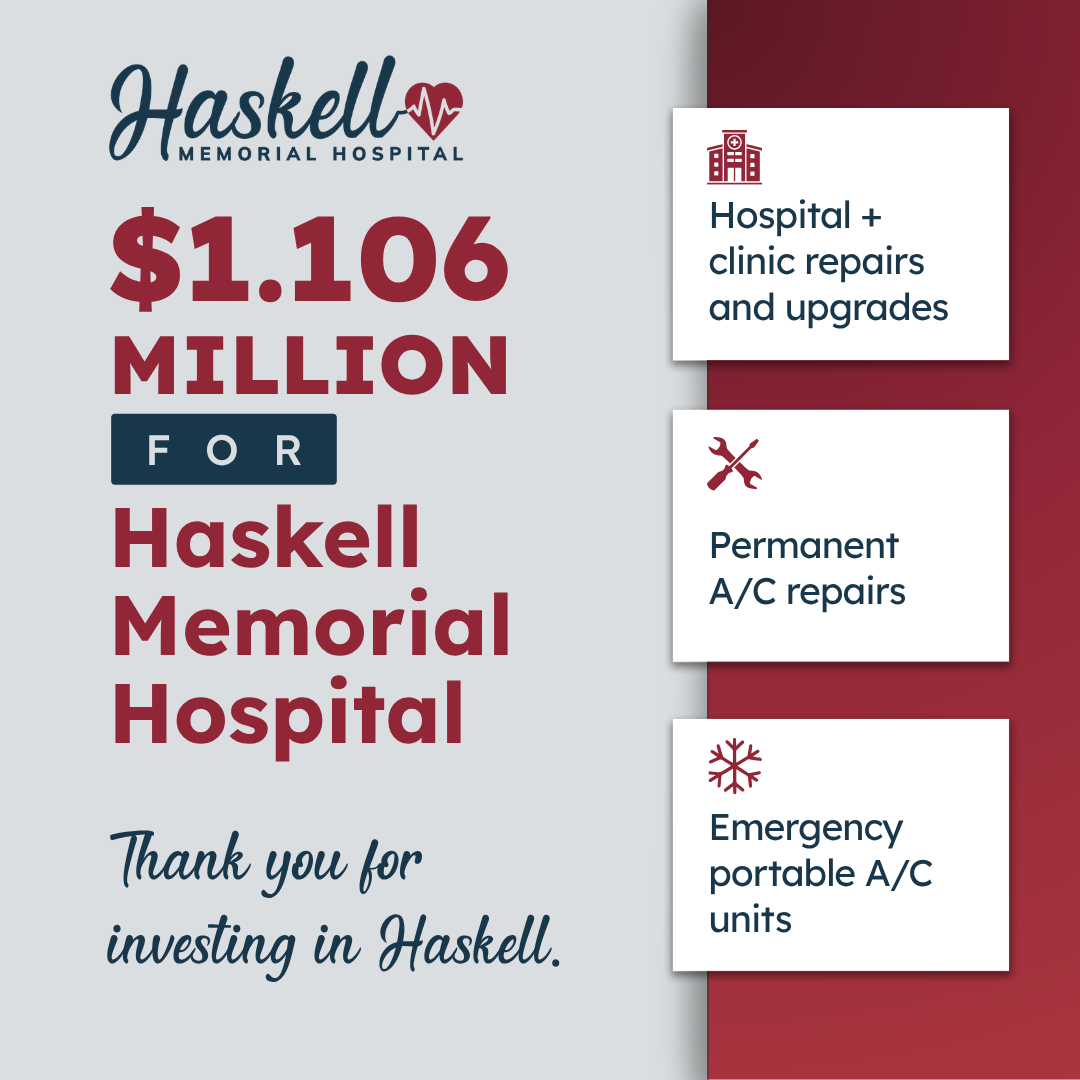
With a highly trained medical team and investments in resources and equipment, reliable healthcare is available locally without having to endure unnecessary travel. “We’ve made these investments to secure health and wellness in the community,” said Michelle Stevens, MHA, CRHCP, chief executive officer of Haskell Memorial Hospital. “When traveling for basic care is a hassle, the likelihood of not getting the right treatment increases, so our intention is to ensure stable and reliable care right here without leaving town.”
Start with the pattern of symptoms
Flu often begins suddenly. Symptoms can include fever or chills, cough, sore throat, a runny or stuffy nose, muscle or body aches, headache, and fatigue. Not everyone with flu has a fever. Other respiratory illnesses can look similar, which is why self-diagnosis based on one symptom can be unreliable.
If symptoms are mild but concerning, or if you have questions about treatment, call Haskell Rural Health Clinic. People at higher risk of complications should contact a healthcare provider early because some treatments are most useful when started promptly.
Watch whether the illness is improving or changing
Many respiratory illnesses improve with rest, fluids, and appropriate supportive care. Contact a healthcare provider when symptoms are worsening, not improving as expected, or making it difficult to manage an existing condition. A fever or cough that improves and then returns or worsens also deserves attention.
Testing and respiratory services can help guide the next step
Symptoms alone may not provide a complete answer. When ordered by a healthcare provider, laboratory testing and diagnostic imaging at Haskell Memorial Hospital can help evaluate illness, pain, or possible complications. HMH offers X-ray, CT, MRI, and ultrasound services. Respiratory Therapy also provides physician-ordered services such as breathing treatments, oxygen monitoring, and pulmonary testing when clinically appropriate.
Some warning signs require immediate care
Seek emergency care for severe or life-threatening symptoms. Warning signs can include difficulty breathing, persistent chest pain or pressure, confusion, seizures, severe weakness or unsteadiness, significant dehydration, or symptoms that improve and then return much worse. Warning signs may look different in infants and children. Any symptom that is severe or deeply concerning should be evaluated promptly.
Call 911 for a medical emergency. The Emergency Department at Haskell Memorial Hospital is open 24 hours a day, seven days a week.
Reduce spread while you recover
When you have respiratory virus symptoms, the CDC recommends staying home and away from others. You can return to normal activities after your symptoms have been improving overall, and you have been fever-free without fever-reducing medication for at least 24 hours. For the next five days, added precautions such as cleaner air, good hygiene, masking, distancing, or testing can help reduce the chance of spreading illness to others, especially people at higher risk of severe disease.
Keep chronic conditions in the conversation
Respiratory illness can make asthma, diabetes, heart disease, chronic lung disease, and other conditions harder to manage. Continue medications as directed and contact your healthcare provider if your usual symptoms or health measurements change.
Respiratory illness season is common. Serious symptoms are not something to dismiss as “just what is going around.” Pay attention to the direction of the illness and reach out when you need help.